How to Clean a Gravel Driveway
Estimated reading time 6 minutes
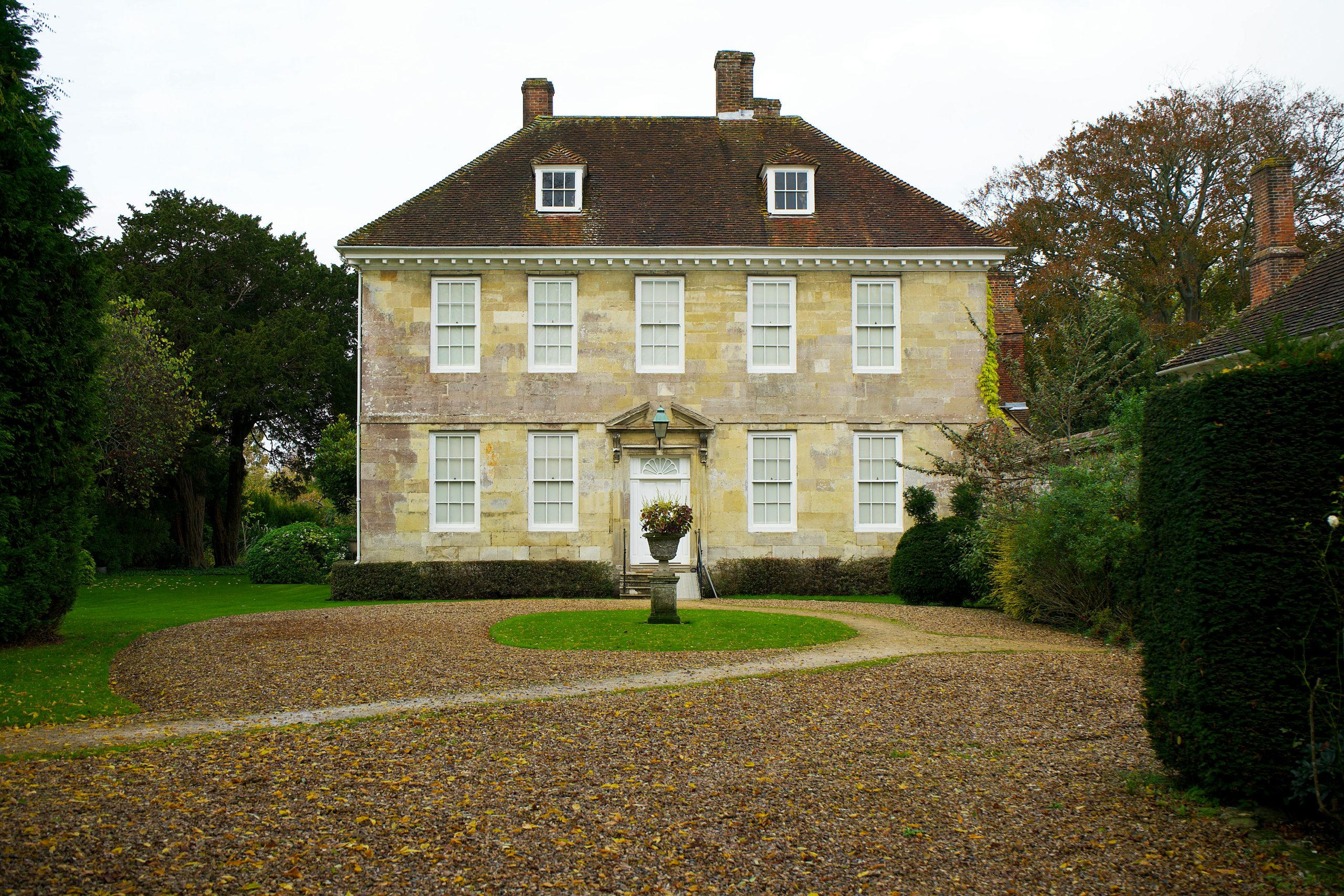
A gravel driveway can look beautiful. With various colours available, it’s easy for your driveway to make a statement. However, keeping it clean and tidy isn’t quite as easy as laying the gravel itself.
So, in this blog, we thought we’d impart a little of our knowledge so you can keep your gravel driveway looking great. If by the time you’ve read through this, you think it may be too much work or that another driveway style is more suitable, get in touch! Our team of surfacing specialists are on hand to transform your driveway space and upgrade your kerb appeal.
Let’s get into it.
Why do you need to clean your gravel driveway?
Compared to other surfaces, such as tarmac or concrete driveways, the appearance of a gravel driveway can change quickly if it is used often. The spin of tyres, the stomping of feet, and the weather can all lead to gravel being displaced, making your once presentable surface resemble something from a building site.
It’s not all about aesthetics though, although they do play a part!
Enhanced kerb appeal
A well-presented driveway goes a long way to creating a good first impression of your property. This is essential when you want to sell your home. A staggering 68% of house hunters think they would offer more money on a property with decent kerb appeal! Even if you are not selling, a well-kept exterior will make your home fit in or stand out with the rest of the neighbourhood.
Improved lifespan
If you regularly clean and maintain your gravel driveway, you’ll stand to benefit from it for longer. Fixing potholes and rutting helps maintain driveway stability and avoids the need to replace it sooner than you had hoped.
Safety
Keeping on top of cleaning and maintenance of a gravel driveway will also increase how safe it is for those walking or driving on it. By removing weeds, maintaining drainage, and clearing any debris, you’ll keep your driveway in its best condition and avoid any accidents that may arise.
What do you need when cleaning a gravel driveway?
Before you start cleaning your gravel driveway, you’ll need to ensure you have the right tools for the job. Don’t worry, it’s not a list of high-tech equipment and strange chemicals. In fact, most of the items you may already have sitting in the garden shed!
- Rake
- Wheelbarrow
- Shovel
- Stiff brush
- Hose
- Leaf blower
- Cleaning products
- Gloves, goggles, mask
Armed with this gear, you can now start cleaning but follow our steps first to get the best results.
Cleaning a gravel driveway step-by-step
Before you go all guns blazing and try to power through a driveway cleanup, look at our tips below.
Clear the driveway of debris and weeds
It might be a slow process, but doing this part of your cleaning first will make everything else go much more smoothly.
Check your driveway for signs of weeds, litter, leaves, and any other debris. Pick up any litter and dispose of it correctly. Then, if you have one, use a leaf blower to remove any leaves, twigs, and any other lightweight debris. If you don’t have a leaf blower, use your rake. This will also help you grasp the larger items that may be on the driveway.
The corners and edges are often the places where you’ll find the biggest accumulation of debris, so give them a little extra attention.
With all loose items removed, you can now tackle the weeds. You could do this by hand or with a weed killer. If you do this by hand, make sure you pull them up from the roots so they can’t regrow. If you are using weed killer, ensure you apply it carefully and remain aware of other nearby plants and flowers. Our guide to removing weeds on gravel can be a great help!
Moss can be found on gravel driveways too. You’ll need to treat this with a moss killer or a vinegar-based solution.
Once the weeds and moss are dead, rake them out and even out your gravel.
Tackle stains and spills
It is not uncommon to find oil stains on your gravel driveway, especially if vehicles are parked on it for long periods. For fresh oil, sprinkle cat litter, sawdust or baking soda. This will absorb the oil, leaving you with less to clean. For older stains, white vinegar mixed with water is a cheap and effective way to remove oil from a gravel driveway.
Washing-up liquid can also work well. Simply apply it to the stained area with warm water, let it settle for 20 minutes and then rinse.
Washing a gravel driveway
Some people suggest using a jet washer, but this isn’t always wise. The powerful force from these machines could cause you to damage your driveway much more than you thought. Not only could you blast gravel in a host of directions, but you might also cause damage to the surface underneath the gravel. Instead, use your hose with a spray head and work in sections, allowing the water to clean away the dirt but not displace the stones.
Final clean up
With litter removed, leaves blown and staining gone, all you need to do is one final clean-up to restore your driveway. Rake the gravel back into place, carefully checking for areas you may have missed or that need additional treatment. If you spot further staining or debris. Follow the appropriate steps to remove them and then rake the drive once more.
How should you maintain a gravel driveway?
By keeping on top of your driveway maintenance, the gravel surface can stay cleaner for longer and remove the need for a deep clean every few months.
For optimal gravel driveway maintenance, we suggest:
- Rake the driveway every month to help maintain even distribution of the gravel and reduce the risk of potholes.
- Regularly check for weeds. Inspect the driveway for weeds and treat them as soon as you find them.
- Check that the drainage is functioning, and if you don’t have sufficient drainage in place, investigate how it can be integrated.
- Top up the gravel when necessary. Over time, your gravel will thin out and no matter how much raking you do, it won’t be enough! Add fresh layers every year or so to maintain a fresh look and replace the thinner layers.