How to Remove Oil from Block Paving
Estimated reading time 6 minutes
If you frequently use our website as a resource for your surfacing problems, you may have noticed our recent look into how to remove oil, moss or other substances from specific surface types. Recently, we covered how to remove black spots from your driveway, and just a few weeks ago, we explained how to get rid of moss on concrete. Today, it’s the turn of block paving and how to remove oil from it.
Oil on block paving can be frustrating, especially if your surface has only recently been laid. It can be even more frustrating when the stubborn intruder doesn’t seem to want to leave despite your best efforts. Luckily, a few simple steps can help you get your block paving driveway or path back to its best quickly.
What is block paving?
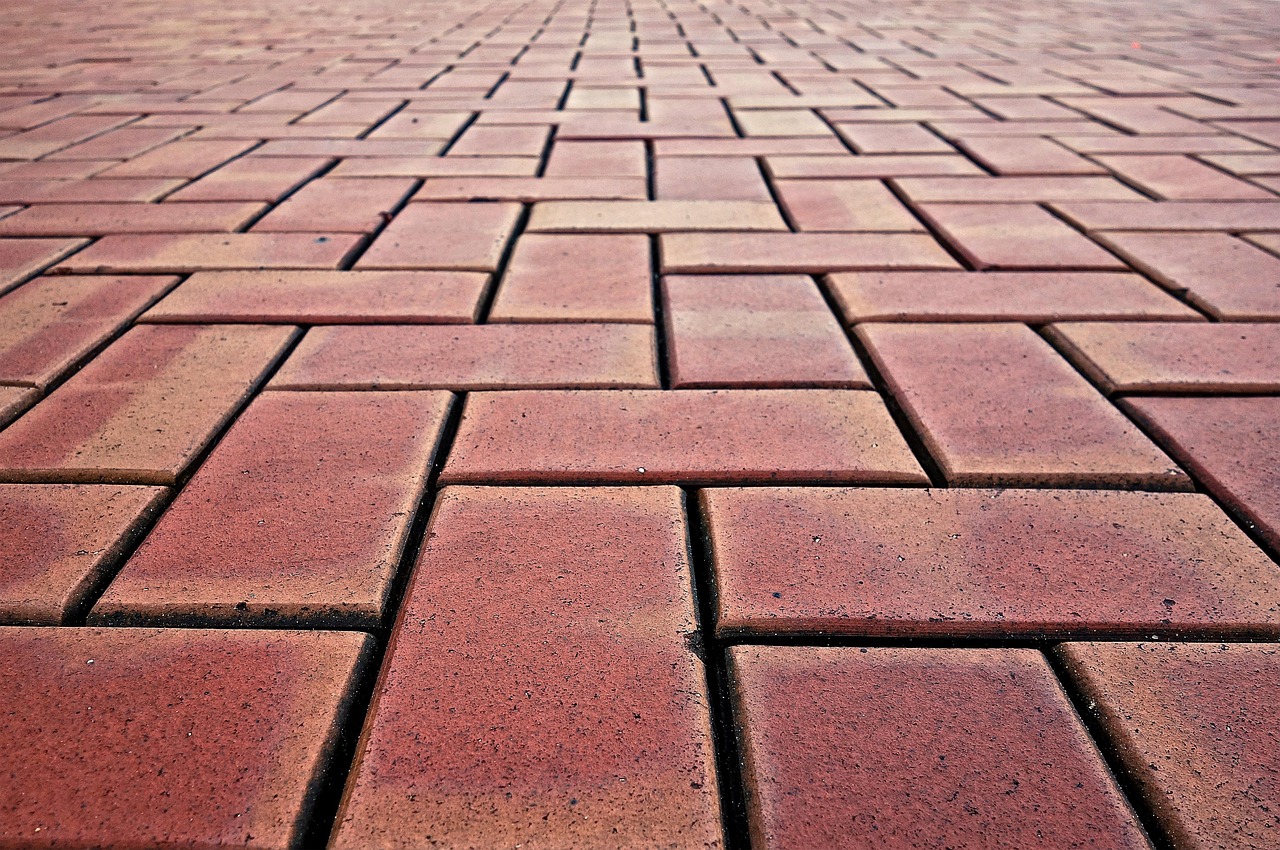
Block paving is a method that creates a surface, such as a driveway or path, by using small individual blocks. These blocks are normally made from concrete or clay and are laid in a specific pattern. The easiest way to describe it? Think of a giant jigsaw puzzle that’s strong enough for your car to drive over!
Why is there oil on my block paving?
Oil can appear on block paving for a host of reasons, but most of the time, it’s due to your car. There could be a leak on the vehicle, or perhaps you spill some when doing an oil change. Occasionally, the source could be something else. If you’ve had a BBQ, for example, or you’ve been doing some DIY, it becomes all too easy for oil to be splashed, spilt and dropped onto your lovely block paving surface.
If any of these things happen, you should act fast. Block paving is porous, and the longer the oil sits on it, the deeper it soaks in. The deeper it soaks in, the harder it will be to remove.
How to get oil off block paving
How you remove oil from block paving will depend on the quantity of oil on the surface and how long it has been there. Newer oil spills are much easier to remove than those that have had days or weeks to be absorbed into the surface.
Soak up the oil and prep the surface
If you have spotted the oil early enough, you should try to absorb as much of it as possible. Use cat litter, sawdust or paper towels and coat the oil with your chosen material. Leave it for around 20 to 30 minutes. This should soak up any liquid oil, leaving you with just the stain to tackle.
Remove the litter, sawdust or paper towels and prep the area with a hose. This will ensure any other debris is cleared away and make it much easier for you to tackle the remaining oil. It may be tempting to use a pressure washer at this point, but don’t. It could lead to the oil soaking deeper into your block paving. Once the surface is hosed down, allow it to dry.
Treat the stain
How you treat an oil stain depends on its severity. A lighter oil stain can be removed with a detergent like washing-up liquid, but a more stubborn stain may require a degreaser to help lift it.
Light oil stains
If the oil stain on your block paving is quite light, mix washing-up liquid with warm water. Pour it over the stain and scrub it with a stiff brush. This will work the detergent into the oil and help to break it down. Once the surface is scrubbed, rinse it with hot water.
Stubborn oil stains
If the stain is proving difficult to shift, you may need to use a suitable degreaser. Specific products are available to help with this, and each comes with specific instructions on its application. Ensure you follow these steps to achieve the best results.
In most cases, you’ll apply the product with a brush to the affected area. Ensure good coverage and leave the product to settle for the required time.
Once that time has elapsed, wash away the degreaser with warm water until all traces have been removed.
Repeat the process
If you have tried to clean the oil stain away with either of the two methods above, yet traces remain. Complete the process again. In some cases, you may need to treat the affected area two or three times before the oil stain has been completely removed.
How do you remove old oil stains from block paving?
If the oil stains have been on the surface for some time, you can ignore the initial suggestion of soaking up any oil and scrubbing it away. Instead, you could apply the Poultice Method.
This is where you draw out the oil rather than scrub it away. You’ll need absorbent material to suck up the oil as it loosens, and a cleaning product to break down the oil.
Mix your absorbent material (baking soda, cat litter, sawdust) with the cleaning agent (washing-up liquid or degreaser) to make a thick paste. Apply it over the whole stain and leave it for a few hours. Once the paste has dried, scrape or brush it away, and your oil stain should be removed.
Can you use a pressure washer to remove oil from block paving?
You can, but it is not always the best course of action. If you haven’t treated the area first and directly attack the oil with a pressure washer, you may embed the oil deeper into your block paving. A pressure washer can be used once the area has been treated, and you need to wash away any remaining cleaning products and oil.
How can you prevent oil from damaging block paving?
Aside from taking a little care, you can also seal block paving. You should only do this once all existing oil stains have been removed, or before any oil is spilt, though!
By sealing a block paving surface, you protect it from the damage oil can cause and also prevent potential problems caused by moss and algae.
If you have a block paving surface at home and have found this guide helpful, you may also want to learn more with our block paving driveway maintenance guide. If you are considering block paving, speak to our team. With more than 40 years of surfacing experience across Sussex, Surrey, Kent and Hampshire, our expert team is on hand to help and advise you on all your surfacing concerns.