How to Prevent Surface Water Damage on Your Path or Driveway
Estimated reading time 5 minutes
Surface water can cause significant damage to paths, driveways, car parks, playgrounds and more. As water pools on the surface, it starts to cause problems that could lead to a rapid deterioration of the surface, and that may extend to issues as serious as subsidence.
Luckily, there are ways to spot the problems surface water is causing before they become too extreme and some measures you can put in place to reduce any impact they may have.
What problems can surface water cause?
Surface water that doesn’t drain away can cause significant problems to any surface it rests upon. As the water slowly seeps through the surface, it leads to a weakening of the surface material, which then allows water to enter a property, causing dampness, mould and potentially subsidence.
Unfortunately, the problems aren’t just limited to those. With insufficient drainage, accidents are likely to increase as the surface remains slippery, and in some cases, it can lead to localised flooding. Even if accidents and flooding can be avoided, the weakening of the surface due to surface water can compromise its structural integrity, making it unsuitable for its intended use.
What is surface water flooding?
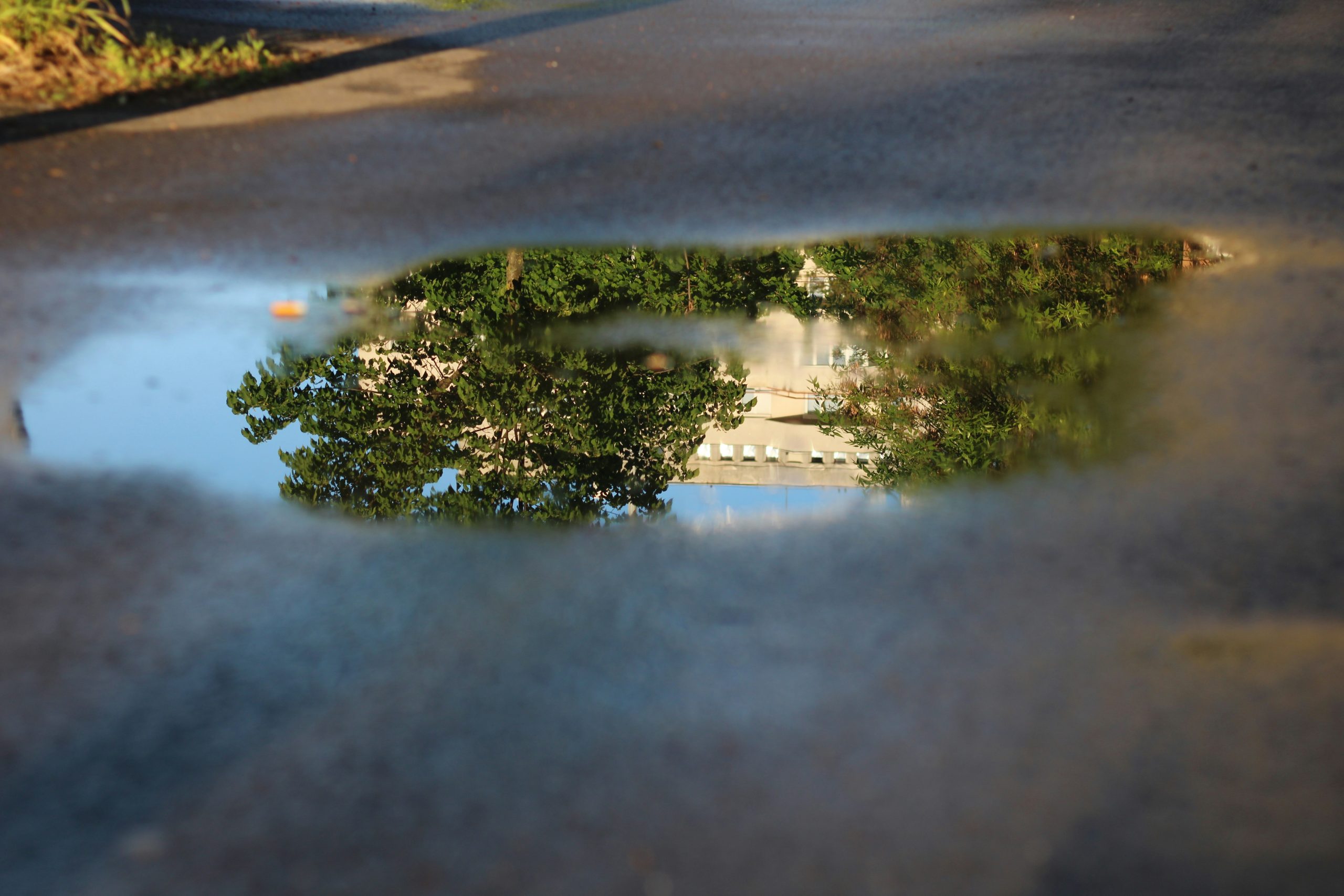
Surface water flooding occurs when water at ground level cannot drain away from the surface it has fallen or flowed onto. It could appear as large puddles or small pools of water. If water has not drained from its surface after a few hours, there is likely insufficient drainage and, as a result, a heightened chance of more extreme flooding if rainfall continues. This leads to an increased chance of more substantial problems, similar to those we mentioned earlier.
Why am I having problems with surface water?
You’ll encounter surface water and the damage it leaves behind, primarily because the drainage on your surface either isn’t sufficient or doesn’t exist. This could range from an unsuitable surface gradient for water runoff to compacted soil under your permeable surface, or even a simple blocked drain. You’ll notice that you may struggle with surface water when:
- There is heavy rainfall or a melting of snow and ice.
- When your permeable surfaces are saturated and no more water can pass through.
- A sewer cannot handle the runoff from impermeable surfaces.
- If there is no drain to capture the water, or the surface has no gradient.
In many cases, driveways, patios, roads and paths have surface water drainage systems or gradients in place to move the water from the surface to drains or sewers. However, some surfaces are poorly installed or constructed with incorrect materials, leading to insufficient drainage.
How can I stop surface water problems?
If you have been experiencing issues with surface water on your driveway or path, there are a few things you can do to minimise or stop any damage being caused by surface water.
Regularly inspect and clear gutters
Gutters divert water away from the property, unless they are blocked. Then the water overflows and pools where it lands. By checking them often and ensuring there are no blockages, the water is carried to the drain. Look for signs of damage too. Your gutter may be free from blockages, but could still be spilling water.
Collect rainwater
Collecting rainwater in water buts is a great way to collect water that flows through downpipes, as you can use it for watering your plants and lawn. You’ll also stop the water from reaching the vulnerable surface.
Be wary of your surface choices
The type of surface you have plays a large part in whether surface water will be an issue. Concrete and tarmac, for example, are impermeable, so you’ll need to factor in SuDs (Sustainable Drainage System) to allow for sufficient drainage. In fact, many local authorities require SuDs compliance for new driveways to ensure flood risk is minimised. Speak to surfacing specialists like Tidey & Webb about porous asphalt and other drainage-friendly surfacing options to learn more about tackling surface water damage.
Keep drains clear
You may have unblocked your gutters, but what about the drains that the water flows into? If these are blocked, you’ll soon find water overflowing and pooling on the ground nearby. Remove any debris and avoid the pressure washer. You may think you are blasting leaves and other materials away, but you could just be pushing them further into the drain. Once the drain is clear, consider a drain guard to prevent future blockages.
Plant a variety of leafy plants and trees
Plants and trees absorb most of the rainwater before it reaches the ground. This reduces the chance of surface water flooding and keeps the greenery nice and healthy. If you don’t have particularly green fingers, look for some low-maintenance plant or tree options to make life a little easier!
Surface water on a driveway can freeze. This can lead to serious issues, especially if the water seeps into cracks as well as sits on the surface. We've created a blog to help explain the easiest and safest ways to melt ice on a driveway without damaging it. Have a read and prevent problems from escalating.
If you have surface water issues at home or work, you might require a new path or driveway. With the help of a professional surfacing company like Tidey & Webb, you’ll remove the concerns of surface water flooding at your property. Our expert team use their years of experience to assess the issues your property faces and provide an optimal and affordable solution that works. Contact our team today to discuss your surfacing concerns.